
Ahead of crucial negotiations with Tehran, the U.S. tells Americans to exit Iran now, as Washington signals growing concern over security risks and the possibility of further escalation in the region.
Early Friday, the U.S. Virtual Embassy in Iran issued a fresh security alert urging American citizens to leave the country immediately and to make exit plans that do not depend on assistance from the U.S. government. The warning underscores mounting unease as diplomatic efforts between Washington and Tehran reach a sensitive moment.
The advisory comes just hours before scheduled talks between U.S. and Iranian officials in Oman. Despite weeks of diplomatic maneuvering, there has been little public indication that the two sides have narrowed their differences or even agreed on a clear agenda for the discussions.
Fragile Diplomacy, Rising Tensions
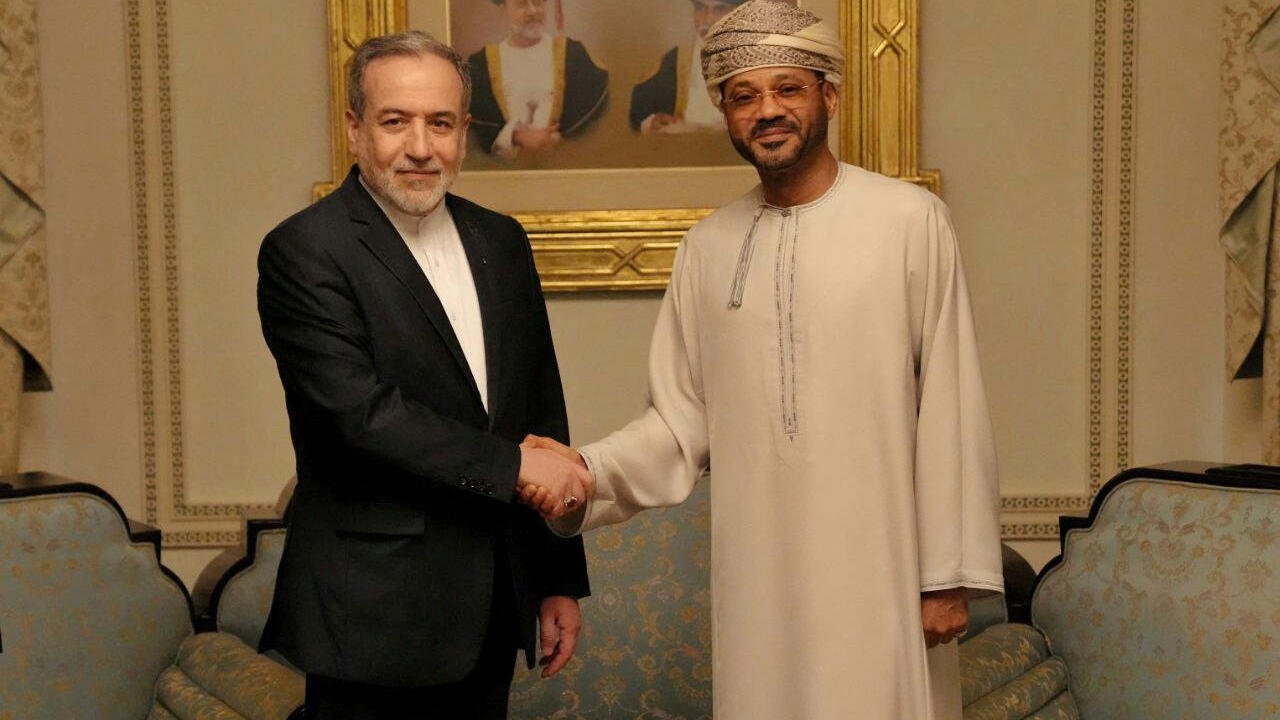
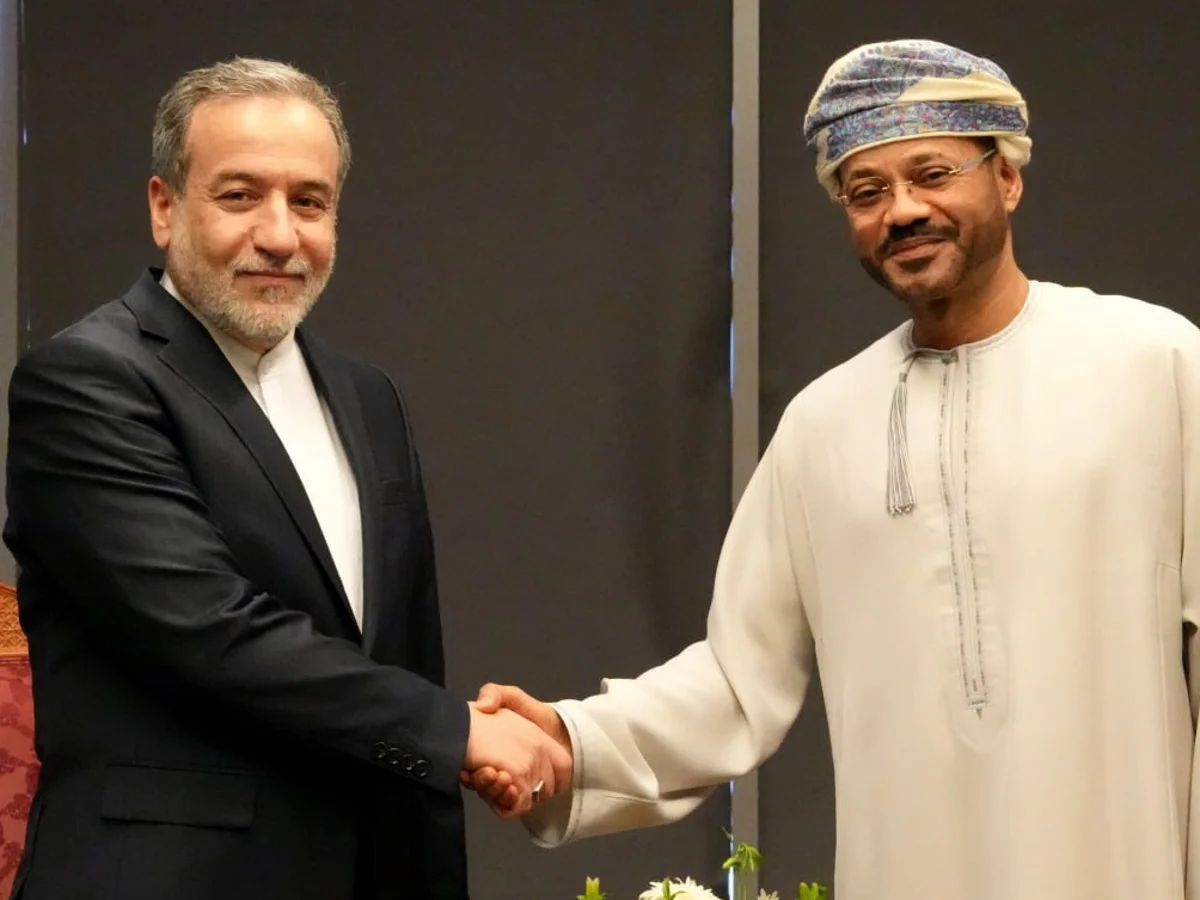
According to U.S. and Iranian officials, the American delegation is expected to include Special Envoy Steve Witkoff and Jared Kushner, President Donald Trump’s son-in-law. They are set to meet with an Iranian team led by Foreign Minister Abbas Araghchi. While the talks are officially framed as an attempt to ease tensions, expectations for a breakthrough remain low.
This is not the first time Washington has issued such guidance. Over the past month, U.S. authorities have released several similar alerts. In mid-January, Americans were also urged to leave Iran as Trump weighed a range of options, including the possibility of targeted military action.
Friday’s meeting would mark the first formal engagement between Tehran and Washington since tensions surged last June, following a brief but intense conflict with Israel that ended with U.S. airstrikes severely damaging Iran’s three main nuclear facilities.
Core Disputes Remain Unresolved
Deep disagreements over the scope, location, and goals of the talks continue to cloud prospects for success. Those uncertainties have kept alive the risk of U.S. military action if diplomacy fails.
Washington has reportedly pressed Iran to eliminate its stockpile of enriched uranium, impose strict limits on its ballistic missile program, and halt support for militant groups across the Middle East. Trump has openly warned that refusal to meet these demands could trigger military strikes.
Iran, however, has rejected the conditions, calling them a direct violation of its sovereignty. Tehran has also warned that any attack would be met with retaliation against U.S. military assets in the region and against Israel.
Little Room for Optimism
The diplomatic push is unfolding amid heightened military activity. In recent weeks, the U.S. has bolstered its presence in the Gulf, with Trump announcing the deployment of what he described as a “massive armada,” including the aircraft carrier Abraham Lincoln, ahead of the negotiations.
Energy and security analyst Bob McNally, president of Rapidan Energy Group, said the chances of a deal or meaningful de-escalation are slim. The core positions of both sides remain “far apart,” and mutual distrust is deeply entrenched. McNally estimated a 75% likelihood of military confrontation in the near term, ranging from limited strikes or a blockade to a broader conflict.
Shifting Venues, Shifting Signals
The talks were initially planned for Istanbul, reflecting Turkey’s role as a regional mediator and the expected participation of foreign ministers from Egypt, Qatar, Saudi Arabia, and Turkey. However, Tehran requested a last-minute change, moving the meeting to Oman and limiting attendance strictly to Iranian and American officials.
McNally noted that Trump has placed U.S. credibility squarely on the line. If Iran refuses major concessions, the president may feel pressured to act militarily. Conversely, if Washington holds back, Israel could choose to strike Iranian missile sites, nuclear facilities, or regime-linked targets on its own.
Domestic Unrest Adds Pressure
Complicating matters further is Iran’s internal situation. Earlier this year, nationwide protests erupted across the country, prompting a severe crackdown by authorities. Human rights groups report thousands of deaths as security forces moved to suppress dissent.
Trump had previously hinted at possible intervention in support of protesters but ultimately stopped short of taking military action. Now, with diplomacy faltering and tensions rising on multiple fronts, the situation remains volatile—prompting the latest urgent warning for Americans to get out while they still can.
