

As elite competitors arrive in northern Italy for the 2026 Winter Olympics, many will savor local favorites like pasta and pizza — but always within carefully planned nutrition strategies designed to support intense training and competition.
For Olympic athletes, food isn’t just fuel — it’s part of the training itself. Understanding when to eat, what to eat, and how often to refuel can be just as important as hours spent on the ice, snow, or track.
Inside the Milan Olympic Village, nutrition is a massive operation. The main dining hall prepares thousands of eggs and hundreds of kilograms of pasta daily, serving more than 3,000 meals across multiple stations. Every menu is tailored to support performance, recovery, and the diverse cultural needs of athletes. At this level, nutrition works hand in hand with physical training to maintain peak condition.
While Olympic-level calorie intake may be extreme — some athletes consume several thousand calories a day — the core principles behind their nutrition routines can benefit anyone looking to improve energy, fitness, and recovery.
When to Eat: Timing Matters
In high-performance sports, meal timing plays a critical role in training quality and recovery. Experts emphasize one simple but often overlooked rule: don’t train on an empty stomach.
Even a small pre-workout snack helps stabilize blood sugar and hydration levels, allowing the body to perform more efficiently. Something light — like a piece of fruit or a few crackers — can make a noticeable difference in endurance and comfort during exercise.
For everyday fitness enthusiasts, the same advice applies. A quick bite before activity can improve performance and reduce fatigue.
What to Eat: Fuel for Performance and Recovery
Pre-workout fuel
A good pre-exercise snack should be easy to digest and provide quick energy. Ideal options include:
Low-fiber fruits such as bananas
Crackers or toast
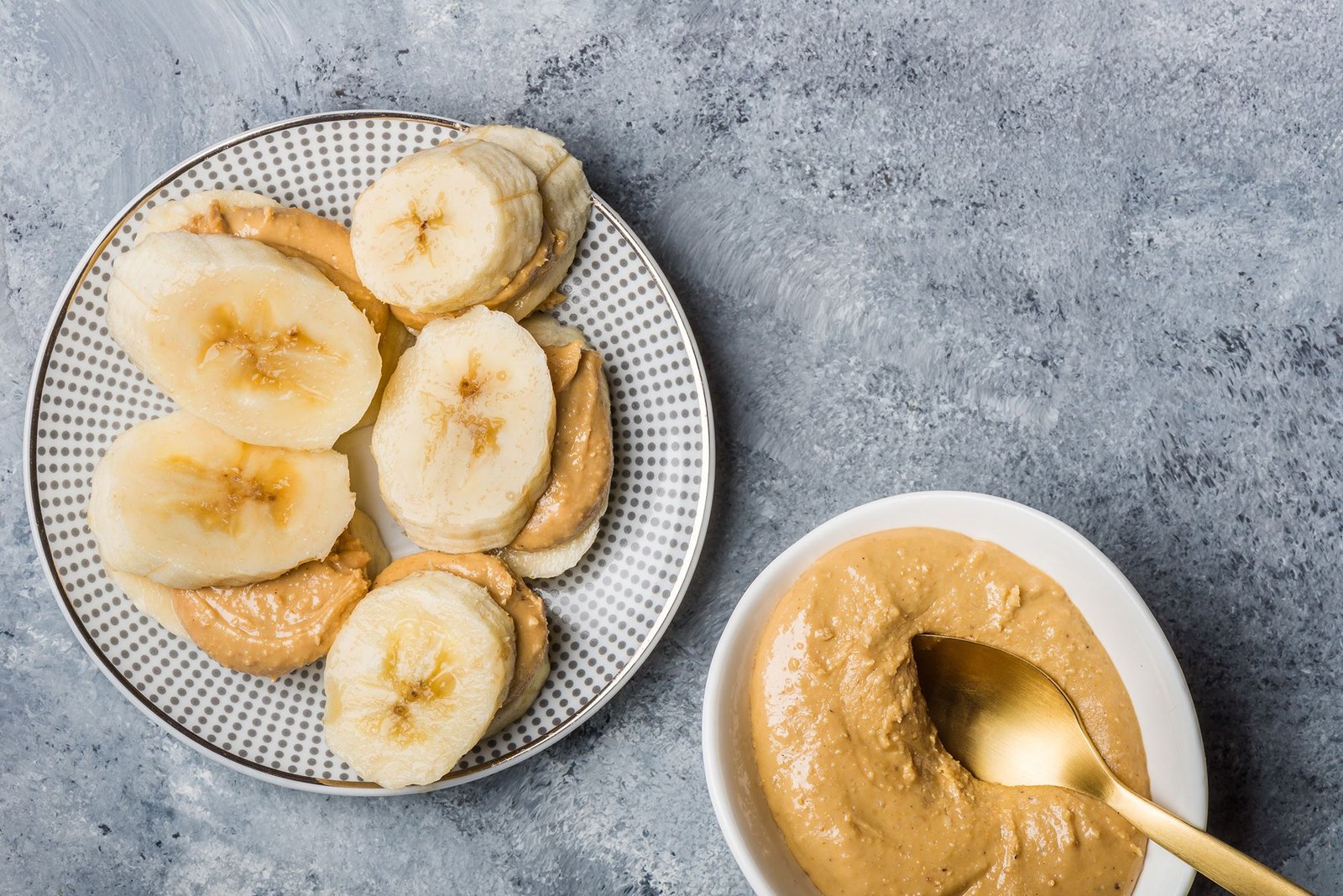
Fruit paired with a small amount of protein or healthy fat (for example, banana with peanut butter)
These combinations provide fast-acting carbohydrates with sustained energy support.
Post-workout recovery
Recovery nutrition is just as important as pre-workout fueling. After exercise, the body needs:
Carbohydrates to replenish energy stores
Protein to repair and rebuild muscles
Smoothies are a convenient recovery option, combining protein powder, fruit, and liquid. For longer endurance sessions, increasing carbohydrate intake helps restore depleted glycogen levels.
Some athletes also incorporate antioxidant-rich beverages such as tart cherry, blueberry, or beetroot juice, which may help reduce muscle soreness and support recovery.
Focus on Anti-Inflammatory Foods
Intense training creates stress and inflammation in the body. Foods rich in antioxidants and healthy fats can help counter this effect. Performance nutrition experts recommend regularly including:
Colorful fruits and vegetables
Nuts and seeds
Omega-3 sources such as salmon, flaxseed, and chia
Foods rich in vitamins A, C, and E, along with selenium
These nutrients support immune function, reduce inflammation, and promote faster recovery between workouts.
Boost Oxygen Capacity: Iron and Vitamin C
Winter sports often take place at high altitudes, where oxygen levels are lower. To adapt, athletes must support red blood cell production through key nutrients like iron, vitamin B12, and folate.
Iron is essential for hemoglobin, the protein that carries oxygen in the blood. Both animal and plant sources can work — but plant-based iron is absorbed more effectively when paired with vitamin C.
Smart combinations include:
Spinach with lemon juice
Lentils with bell peppers
Iron-rich meals paired with citrus, berries, or broccoli
This pairing improves absorption and helps maintain energy levels, especially during intense training.
How Often to Eat: Spread Energy Throughout the Day
Rather than relying on three large meals, many elite athletes eat smaller portions more frequently. Spacing food intake throughout the day helps maintain steady blood sugar and consistent energy.
A simple strategy:
Eat part of your meal, save the rest for a mid-morning or afternoon snack
Include a small evening snack to support overnight recovery
This approach improves nutrient use, prevents energy crashes, and supports muscle repair.
Eat the Rainbow
One final principle Olympic nutritionists emphasize: variety. Different colored foods provide different nutrients, so a colorful plate helps ensure balanced intake.
Mixing fruits, vegetables, whole grains, proteins, and healthy fats not only supports performance but also keeps meals enjoyable and sustainable.
The Takeaway
You don’t need Olympic training hours to benefit from elite nutrition habits. By focusing on smart timing, balanced meals, frequent fueling, and a wide variety of nutrient-rich foods, anyone can improve energy, recovery, and overall fitness.
Because at every level — from weekend workouts to world-class competition — performance starts with how you fuel your body.
