
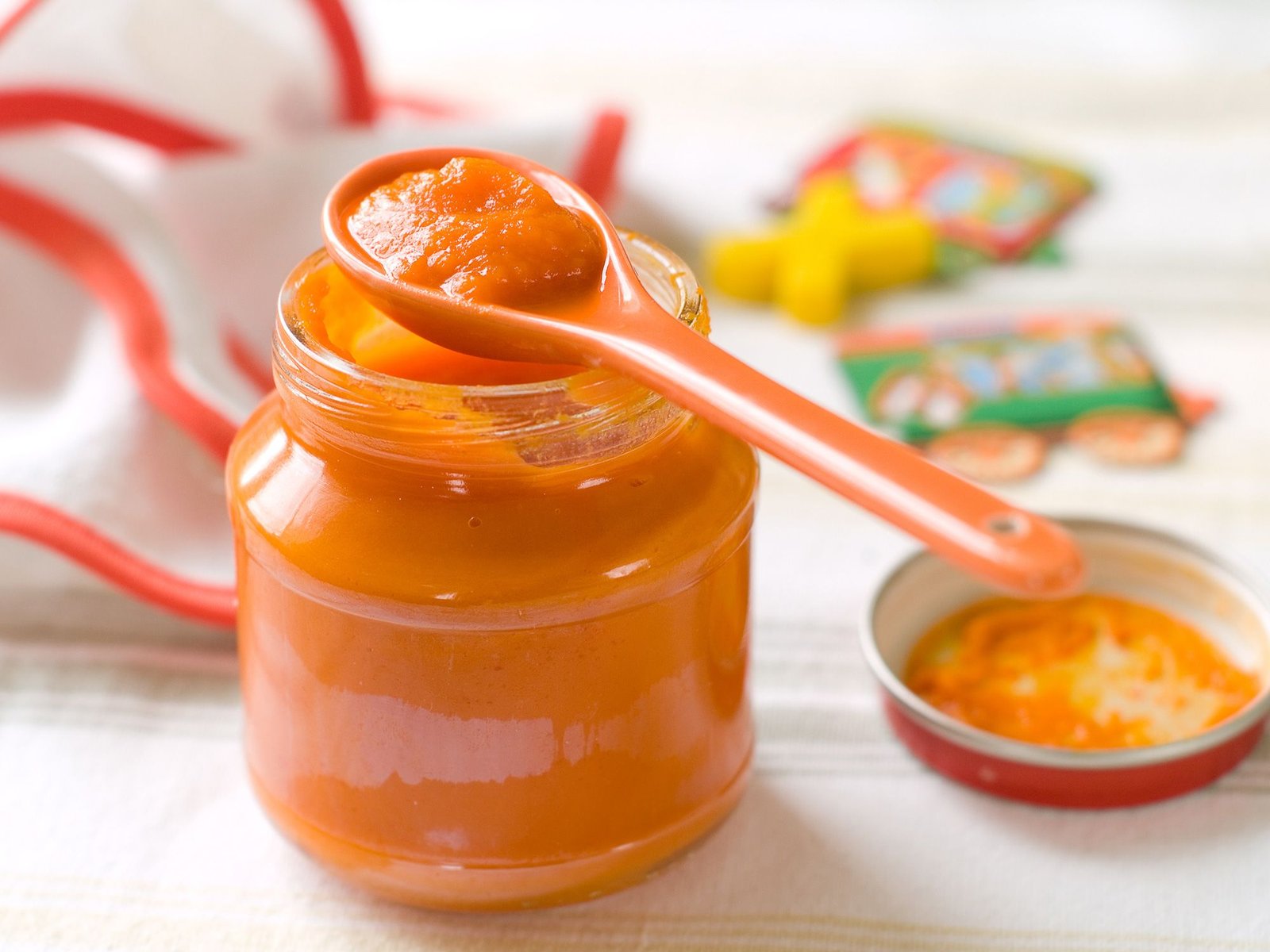
A recent study has raised serious concerns about the quality of baby foods available in the United States. Researchers found that More than 70% of the baby foods tested were found to be ultra-processed and packed with additives, highlighting potential risks for infants and toddlers during their most critical stages of development.
Ultra-Processed Foods Dominate the Market
Most packaged foods, drinks, and snacks marketed for children aged 6 to 36 months fall into the category of ultra-processed foods (UPFs). Out of 651 products analyzed, over 70% contained additives that emerging research links to inflammation and disturbances in the gut microbiome.
According to lead researcher Elizabeth Dunford of the University of North Carolina at Chapel Hill, one surprising finding was that the primary ingredient in many products wasn’t a fruit or vegetable. Instead, additives topped the ingredient list in more than two-thirds of the foods.
Infants have developing digestive systems, making them more sensitive to artificial ingredients. Experts note that many of these additives are not essential for nutrition — they are often included to improve texture, appearance, or shelf life rather than to support a child’s health.
Why Early Food Choices Matter
Ultra-processed baby foods include items such as puffs, sweetened yogurts, crackers, and flavored snacks. These products are designed to be highly palatable, which may encourage overeating and shape taste preferences early in life.
Health specialists warn that early exposure to sugary and artificially flavored foods can train children to prefer these tastes over natural, nutrient-rich options. Since eating habits begin forming in infancy, this trend could influence long-term health outcomes.
Research has linked higher consumption of ultra-processed foods to increased risks of obesity, type 2 diabetes, and heart disease later in life.
Understanding the Additives
Food additives serve many purposes, including preserving freshness, enhancing flavor, improving color, and stabilizing texture. In the products studied, researchers identified 105 different additives. While some were natural, such as lemon juice or beet juice, many were synthetic.
Common additives found included:
Flavor enhancers like carrageenan
Thickeners such as xanthan gum and guar gum
Emulsifiers that prevent ingredients from separating
Artificial dyes and colorings
Some studies suggest that certain thickeners and emulsifiers may affect gut health and could be associated with metabolic issues. Artificial food dyes have also been examined for potential links to behavioral concerns in children.
Concerns About Regulation
Industry representatives maintain that manufacturers follow safety standards set by the US Food and Drug Administration (FDA). However, public health advocates argue that oversight is limited.
One major concern is the “Generally Recognized as Safe” (GRAS) system, which allows companies to introduce certain ingredients without formal FDA review. Pediatric and environmental health groups have called for stricter regulations, clearer labeling, and more thorough safety evaluations for baby food additives.
Too Much Sugar and Salt
The study also found that added sugar was present only in ultra-processed products and at significantly higher levels. Snack foods for babies and toddlers contained the highest amounts, with nearly 94% classified as ultra-processed.
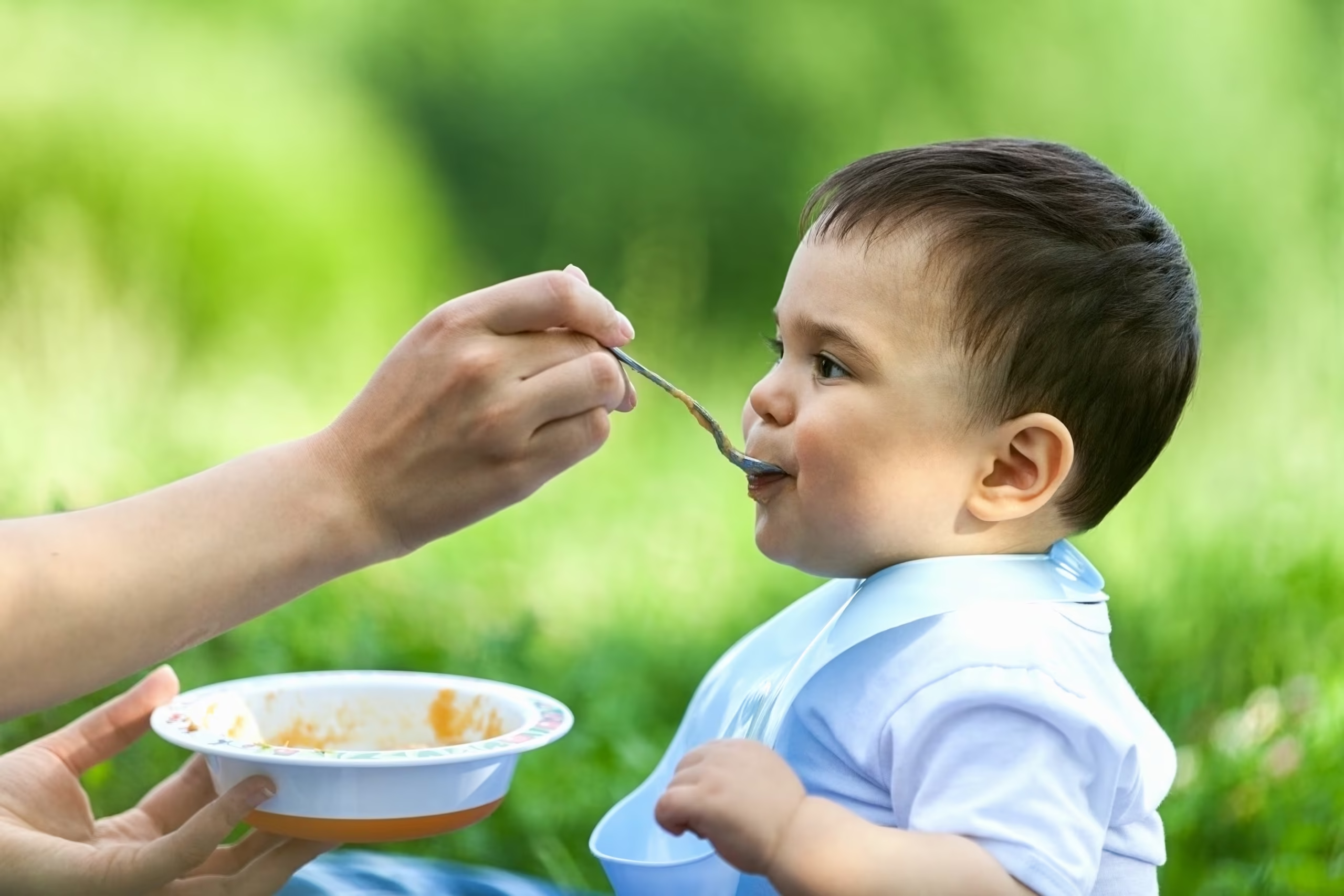
Baby food pouches were identified as a major source of excess sugar, accounting for a large portion of infants’ sugar intake. Additionally:
About 70% of products failed to meet World Health Organization protein recommendations
One in five contained more salt than advised
A quarter did not meet calorie guidelines
What Parents Can Do
Experts recommend practical steps to reduce a child’s exposure to ultra-processed foods:
Prepare meals at home using fresh fruits, vegetables, beans, and whole grains whenever possible
Check ingredient lists and choose products with simple, recognizable components
Limit sweetened snacks and flavored packaged foods
Avoid products with long lists of unfamiliar additives
If the ingredient list is difficult to understand, it may be a sign the product is highly processed.
The Bottom Line
The early years play a crucial role in shaping lifelong eating habits and health. With More than 70% of the baby foods tested were found to be ultra-processed and packed with additives, experts emphasize the importance of informed choices. By focusing on whole, minimally processed foods, parents can help build a strong nutritional foundation for their children’s future.
