
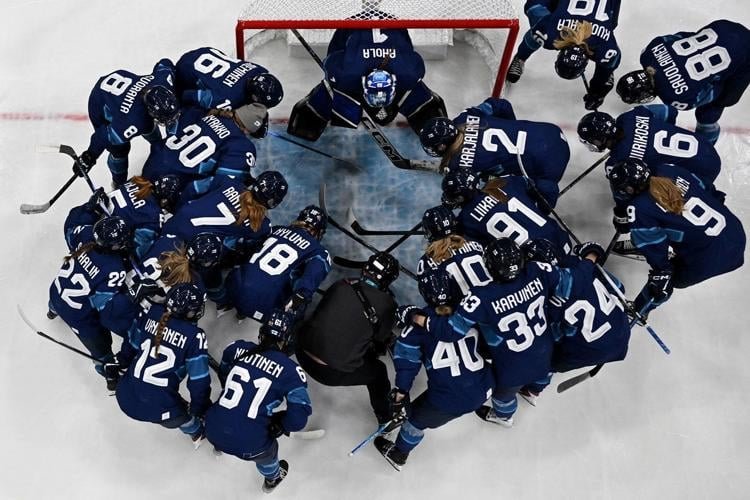
As the world’s best athletes compete on the biggest stage, health officials are working just as hard behind the scenes. A small number of Winter Olympics participants have reported symptoms linked to norovirus, a highly contagious stomach illness. In response, the US Olympic Committee stays on high alert to stop the spread of a stomach illness at the Winter Games, reinforcing strict prevention measures across Team USA.
Team USA Tightens Hygiene and Monitoring
The US Olympic and Paralympic Committee has emphasized vigilance to protect athletes and staff from infections. According to winter sports dietitian Carrie Aprik, the focus remains on basic but powerful habits.
Frequent handwashing remains the top priority, along with early reporting of any symptoms. Athletes and team personnel are encouraged to stay in close contact with medical staff at the first sign of illness so that quick action can be taken.
Officials say these cases serve as a reminder that prevention strategies must stay front and center throughout the competition.
Isolated Cases Prompt Caution, Not Panic
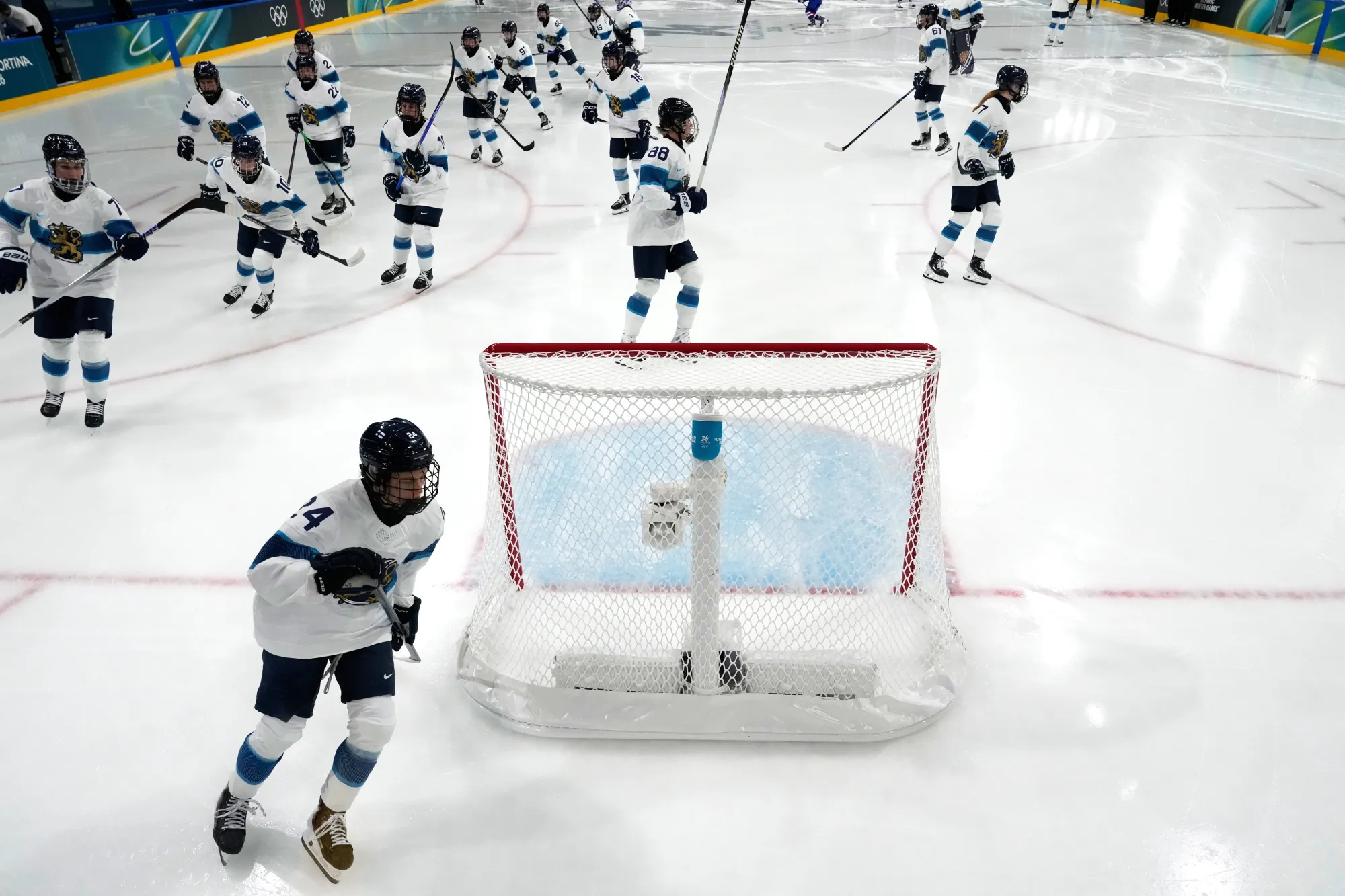
Norovirus cases were first identified within Team Finland, leading to the postponement of a women’s ice hockey match against Canada. The International Olympic Committee (IOC) said the decision was made collectively, following established health and safety protocols.
A separate case was also reported within Team Switzerland. While the US Centers for Disease Control and Prevention defines an outbreak as two or more linked illnesses, Olympic officials have avoided labeling the situation as a full outbreak, instead treating the cases as isolated incidents requiring close monitoring.
Why Norovirus Is a Concern at the Olympics
Norovirus is the leading infectious cause of vomiting and diarrhea worldwide. It spreads easily, particularly in environments where people live, train and eat in close quarters — conditions common in the Olympic Village.
The virus has affected past Winter Games as well. During the 2018 Olympics in South Korea, officials had to act quickly to contain a similar situation.
To reduce risk, teams are emphasizing:
Frequent handwashing
Regular disinfection of shared surfaces
Avoiding shared personal items such as water bottles
Strict food safety practices
Expert Insight: Preventing Competition Disruptions
Dr. Dan Barouch, director of the Center for Virology and Vaccine Research at Beth Israel Deaconess Medical Center, notes that the biggest concern is the virus’s ability to spread rapidly and disrupt events.
Preventive strategies include isolating infected individuals, monitoring close contacts and maintaining strong hygiene practices. Norovirus cases also tend to increase during winter, possibly due to more time spent indoors and in crowded spaces.
Symptoms typically appear quickly — within 12 to 48 hours — and include:
Vomiting
Diarrhea
Nausea
Stomach cramps
The encouraging news is that most people recover within a few days.
Treatment and Nutrition for Sick Athletes
There is no specific antiviral treatment for norovirus, so care focuses on preventing dehydration. Athletes who become ill are advised to:
Drink fluids and electrolytes regularly
Eat small, frequent meals
Choose easily digestible foods
Consider nutrients such as zinc and probiotics, which may support recovery
Severe cases involving significant fluid loss may require medical care for rehydration, but most individuals recover quickly.
Food Safety: A Critical Performance Factor
Nutrition experts say preventing illness is a major operational priority for Olympic teams. For elite athletes, food safety is not just about nutrition — it can determine whether years of training pay off.
The key advice includes:
Stick to familiar foods rather than experimenting
Avoid untreated tap water, ice and potentially contaminated sources
Skip raw or undercooked foods, including certain meats and seafood
Be cautious with raw vegetables that may have been washed in local water
In a high-traffic environment like the Olympic Village, something as simple as washing hands before eating can make the difference between competing and sitting out.
