
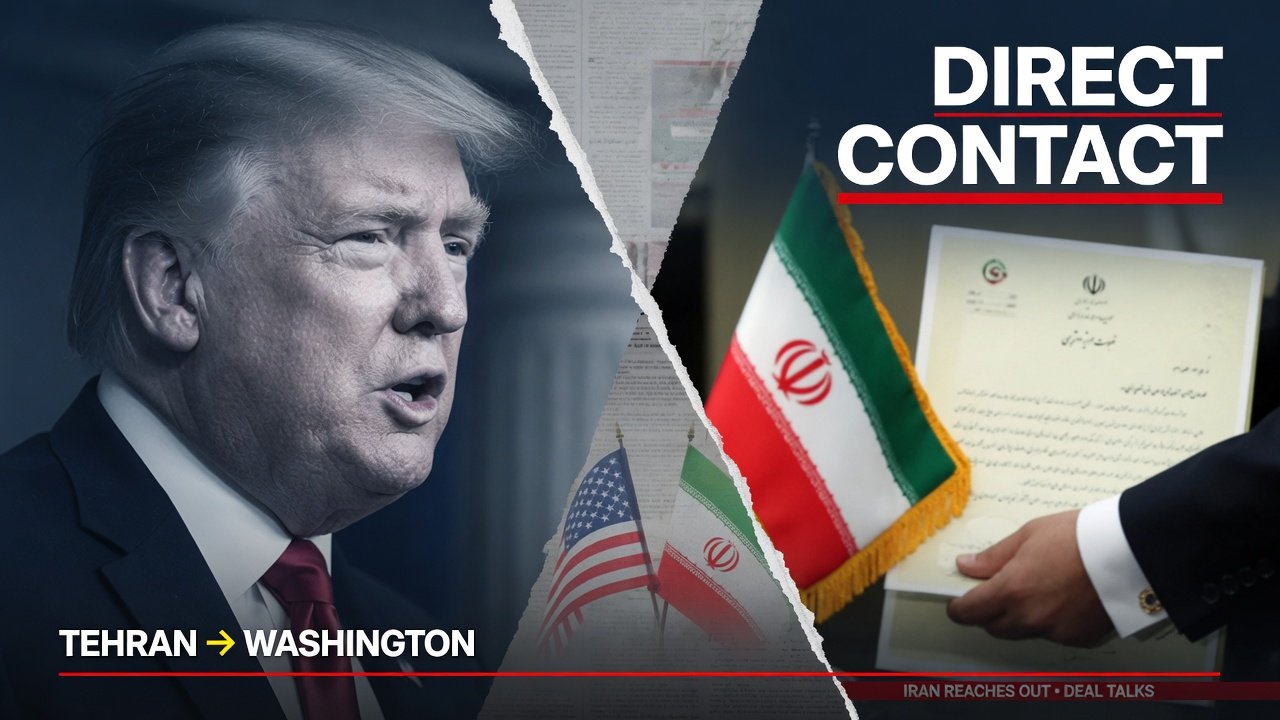
Iran Reaches Out to US: Trump Says Tehran Directly Contacted Washington for a Deal
Iran reaches out to US directly regarding a potential deal, according to U.S. President Donald Trump, who said Tehran had contacted Washington as the ongoing conflict enters another potentially important diplomatic phase.
Trump made the comments on September 16, 2026, while speaking to reporters in North Carolina. He said he hoped the war with Iran was approaching its end and indicated that Iran wanted to reach an agreement. When asked whether the communication from Tehran had been direct or had come through intermediaries, Trump said Iran had contacted the United States directly.
The statement has added a new diplomatic element to the conflict, but it does not mean that a final agreement has been reached. Public details about the reported communication, including who initiated specific discussions, what proposals were exchanged and what conditions either side may be seeking, remain limited.
Iran Reaches Out to US as Trump Signals Possible Diplomatic Opening
The reported contact comes as Washington and Tehran face continued military and diplomatic tensions.
Trump said he hoped the conflict was nearing its conclusion while discussing the possibility of a deal. Reuters reported that the president made the remarks as the United States was also preparing for discussions with Gulf Cooperation Council leaders around the upcoming United Nations General Assembly.
The latest development therefore comes at a time when several diplomatic channels are being discussed across the region.
However, communication between governments should not be confused with a completed settlement. Any formal agreement would require negotiations over specific terms, implementation and potentially verification mechanisms.
What Did Donald Trump Say About Iran?
Trump’s comments were centered on the possibility that Iran was interested in reaching a deal with the United States.
The president said he hoped the United States was “towards the end” of the war and indicated that Iran wanted to make an agreement. He subsequently told reporters that the contact from Iran was direct.
Trump did not publicly provide a detailed account of the communication.
As a result, several questions remain unanswered, including whether the contact represents the beginning of formal negotiations or an initial communication about possible terms.
No New Comprehensive Agreement Has Been Announced
Despite the latest statement, there is no publicly announced comprehensive new peace agreement resulting from the reported direct contact.
The United States and Iran have previously engaged in diplomatic discussions during the conflict. Reuters reported in June that the two countries had reached an interim agreement that included provisions related to the conflict and Iran’s nuclear capabilities.
That earlier diplomatic framework later faced difficulties, making the latest reported communication significant in the broader timeline of the conflict.
Whether the newest contact develops into another formal negotiating process remains to be seen.
Iran’s Diplomatic Position
Iranian Foreign Minister Abbas Araqchi also discussed diplomacy during a meeting with Chinese Foreign Minister Wang Yi in Beijing on September 16.
According to Reuters, Wang called on Iran and the United States to show restraint and return to the interim peace agreement reached in June. Araqchi said Iran remained ready to defend its sovereignty and security while expressing openness to diplomatic avenues that protect the rights of the Iranian people.
These comments provide additional context, although they do not independently confirm all of the details in Trump’s account of direct U.S.-Iran communication.
Strait of Hormuz Remains a Major Issue
The Strait of Hormuz continues to be one of the most important strategic issues connected to the conflict.
The waterway is a major route for global energy shipments, making developments around its security important for oil markets, shipping companies and countries that depend on Middle Eastern energy supplies.
Reuters reported that China’s Wang Yi specifically called for the reopening of the Strait of Hormuz during his meeting with Iran’s foreign minister. He linked the issue to global energy transportation and supply chains.
Any future U.S.-Iran negotiations could therefore have implications beyond the two countries, particularly if discussions involve maritime security and energy transportation.
Gulf Countries Are Watching the Developments
The latest diplomatic signals also come as Gulf countries remain closely involved in the regional crisis.
Reuters reported that Trump was expected to meet leaders from the Gulf Cooperation Council on the sidelines of the upcoming United Nations General Assembly in New York. The discussions are expected to include the conflict and potential postwar arrangements.
Saudi Arabia, the United Arab Emirates, Qatar, Bahrain, Kuwait and Oman have all been directly affected by developments in the region.
Their security concerns, economic interests and proximity to the conflict could make them important participants in any broader regional diplomatic process.
Why Direct Communication Could Matter
If the reported contact develops into formal negotiations, direct communication could provide Washington and Tehran with a channel to discuss sensitive issues without relying exclusively on intermediaries.
However, direct contact does not automatically resolve the underlying disagreements.
The two governments continue to have major differences concerning military operations, regional security, Iran’s nuclear program and the future of the conflict.
Any agreement would therefore likely require negotiations over multiple issues.
Impact on Oil and Global Markets
The conflict has also created uncertainty in global energy markets.
The Strait of Hormuz and other regional shipping routes are particularly important because disruptions can affect crude oil transportation and energy costs.
Reuters has reported that the conflict has contributed to higher oil and gas prices and has increased economic pressure associated with energy supplies.
A credible diplomatic process could therefore attract significant attention from investors, governments and energy companies.
However, market reactions would likely depend on concrete developments such as a ceasefire, changes in military activity, reopening of strategic shipping routes or the announcement of a formal agreement.
The Conflict Remains Active
Despite the diplomatic statements, the broader conflict remains active.
Reuters reported on September 17 that fighting had continued into its seventh month, with developments involving Iran, the United States, Saudi Arabia and Yemen’s Houthi movement adding further complexity to the regional situation.
Saudi aircraft have conducted strikes in Yemen, while Houthi forces have launched drones and missiles toward Saudi targets, according to Reuters.
This wider regional dimension means that any U.S.-Iran agreement could have consequences beyond the direct relationship between Washington and Tehran.
What Happens Next?
The next stage will depend on whether the reported communication turns into formal negotiations.
Several developments will be closely watched:
- Whether Washington and Tehran confirm further direct discussions.
- Whether either government releases details of a potential proposal.
- Whether military activity decreases.
- Whether the Strait of Hormuz becomes part of formal negotiations.
- Whether Gulf countries participate in a broader diplomatic framework.
- Whether the previous interim agreement becomes a basis for renewed talks.
- Whether discussions address Iran’s nuclear program and regional security.
For now, the available information points to a reported diplomatic contact rather than a finalized agreement.
Looking Ahead
The report that Iran reaches out to US directly adds a potentially important diplomatic dimension to the ongoing conflict.
Donald Trump’s statement indicates that Washington believes Tehran is interested in reaching a deal, while Iranian officials have separately spoken about diplomacy and the need to protect Iran’s sovereignty and security.
At the same time, the details of the reported communication remain unclear, and no new comprehensive agreement has been publicly announced.
The coming days could provide more information about whether the reported contact develops into formal negotiations, a renewed ceasefire framework or another diplomatic channel. Developments surrounding the Strait of Hormuz, regional security and Iran’s nuclear program are also likely to remain central to the discussions.
FAQs
1. Did Iran reach out directly to the US?
According to President Donald Trump, Iran contacted the United States directly regarding a potential deal. Trump made the statement on September 16, 2026.
2. Did Iran and the US reach a new deal?
No new comprehensive agreement has been publicly announced based on Trump’s latest comments. The details of the reported communication remain unclear.
3. What did Donald Trump say about Iran?
Trump said he hoped the war with Iran was nearing its end and indicated that Iran wanted to make a deal. He also said the reported contact from Iran was direct.
4. Is the Iran-US conflict over?
No. Reuters reported on September 17 that the conflict was continuing into its seventh month, with fighting and regional tensions still ongoing.
5. What issues could be discussed in a US-Iran deal?
Potential issues could include military activity, Iran’s nuclear program, regional security, sanctions, energy supplies and the security of the Strait of Hormuz. The specific terms of any new negotiations have not been publicly disclosed.
6. Why is the Strait of Hormuz important?
The Strait of Hormuz is a major international energy shipping route. Any prolonged disruption could affect oil transportation, shipping costs and global energy markets.
7. Is Iran open to diplomacy?
Iranian Foreign Minister Abbas Araqchi said Iran was prepared to defend its sovereignty and security while remaining open to diplomatic avenues that protect the rights of the Iranian people, according to Reuters.
8. Are Gulf countries involved in the diplomatic discussions?
Gulf countries are closely monitoring the conflict, and Reuters reported that Trump was expected to meet Gulf Cooperation Council leaders around the upcoming UN General Assembly.
9. Could the reported Iran-US contact affect oil prices?
Diplomatic developments could influence expectations in energy markets because the conflict has affected energy transportation and supply concerns. However, the actual market impact will depend on concrete developments.
10. What happens next between Iran and the US?
The next steps could include additional direct communication, formal negotiations or efforts to revive an earlier diplomatic framework. Further statements from Washington and Tehran should provide more clarity on whether the reported contact develops into a formal agreement.
